
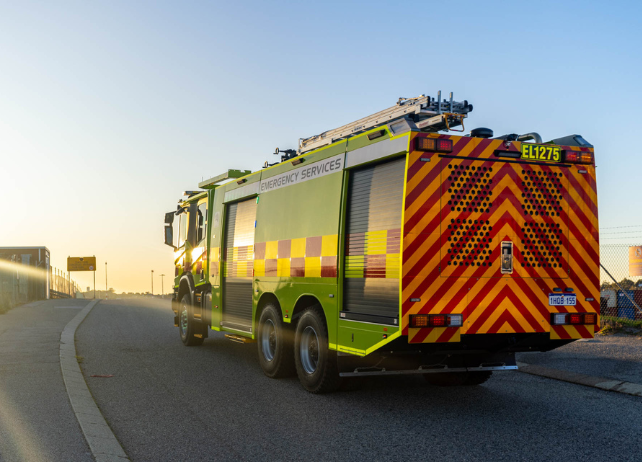
Emergency response operations depend on specialized vehicle fleets that must perform flawlessly during critical situations when public safety and lives depend on reliable vehicle performance. Fire trucks, ambulances, and emergency service vehicles face unique operational demands through extended idle periods followed by intensive emergency response while carrying specialized equipment that creates additional system stress. The lubrication requirements for emergency response vehicles emphasize absolute reliability, immediate response capability, and consistent performance under emergency conditions. Castrol commercial vehicle oils provide the critical protection required for emergency response vehicles where reliability can mean the difference between life and death.
Fire truck operations present particularly demanding lubrication challenges due to specialized equipment including pumps, aerial ladders, and emergency lighting systems that require reliable operation during critical emergency response. These vehicles often remain idle for extended periods then must perform at maximum capacity during fire suppression operations. Lubricants must maintain their protective properties during storage while providing immediate reliability when activated during emergency situations.
Ambulance reliability becomes critical for patient transport and medical emergency response where vehicle breakdowns can compromise patient care and emergency response capability. These vehicles must operate reliably while carrying sensitive medical equipment and providing stable platforms for patient treatment during transport. Engine and transmission reliability directly affects emergency response capability and patient care quality.
Emergency service vehicles including police vehicles and emergency command units must provide reliable transportation and power generation for extended emergency operations. These vehicles may operate continuously during disaster response while powering communications equipment and emergency lighting systems. Electrical system reliability and engine performance become critical for maintaining emergency response capability throughout extended operations.
Specialized equipment systems including hydraulic aerial ladders, rescue winches, and emergency pumps require consistent operation throughout demanding emergency scenarios. These systems often operate under maximum load conditions while exposed to emergency environments that can stress vehicle systems. Specialized lubricants with exceptional load-carrying capacity help maintain equipment reliability during critical emergency operations.
Response time requirements for emergency vehicles emphasize the importance of immediate starting and reliable operation regardless of weather conditions or storage periods. Cold weather starting becomes particularly critical for emergency response in challenging climatic conditions. Multi-grade lubricants that maintain appropriate viscosity characteristics across temperature extremes help ensure reliable emergency response capability.
Maintenance scheduling for emergency vehicles must accommodate unpredictable emergency response demands while ensuring readiness for critical situations. These vehicles require maintenance approaches that minimize out-of-service time while maintaining peak reliability for emergency response. Predictive maintenance and condition monitoring help optimize service timing while ensuring emergency response capability.
Training requirements for emergency vehicle operators emphasize proper operating procedures and maintenance awareness that contribute to vehicle reliability during critical operations. Emergency personnel who understand vehicle systems and maintenance requirements help identify potential problems while ensuring optimal performance during emergency response situations.
Equipment reliability standards for emergency vehicles often exceed normal commercial vehicle requirements due to the critical nature of emergency response operations. Regulatory standards and department policies may specify enhanced maintenance requirements and performance standards that influence lubricant selection and maintenance procedures for emergency response fleets.
Technology integration in emergency response vehicles includes sophisticated communications equipment, GPS systems, and emergency management tools that depend on reliable electrical and mechanical systems. These technologies support emergency response coordination while requiring consistent power and reliable operation throughout demanding emergency scenarios.
Budget considerations for emergency response operations must balance operational costs with the critical reliability requirements for public safety equipment. Total cost of ownership analysis helps justify premium lubricant investments through improved reliability and reduced maintenance requirements that support emergency response capability while controlling operational costs.
Community safety depends on reliable emergency response vehicles that can respond immediately to emergency situations while maintaining performance throughout demanding operations. Vehicle reliability directly affects emergency response capability and community safety, making proper lubrication practices essential for protecting public welfare and supporting effective emergency response services.
As emergency response technology continues advancing toward more sophisticated equipment and capabilities, lubrication requirements will become increasingly important for maintaining the absolute reliability required for public safety operations while supporting enhanced emergency response capabilities that protect communities and save lives.
For more information on emergency vehicle standards, visit the National Fire Protection Association or explore resources from the Emergency Vehicle Technician Certification Commission.


More Stories
Rev Your Journey: The Ultimate Guide to Flexible and Affordable Car Rentals
Dream Wheels: Unlock Adventures with Our Flexible Car Rentals
Drive, Discover, Repeat: The Art of Renting Cars for Unforgettable Adventures