
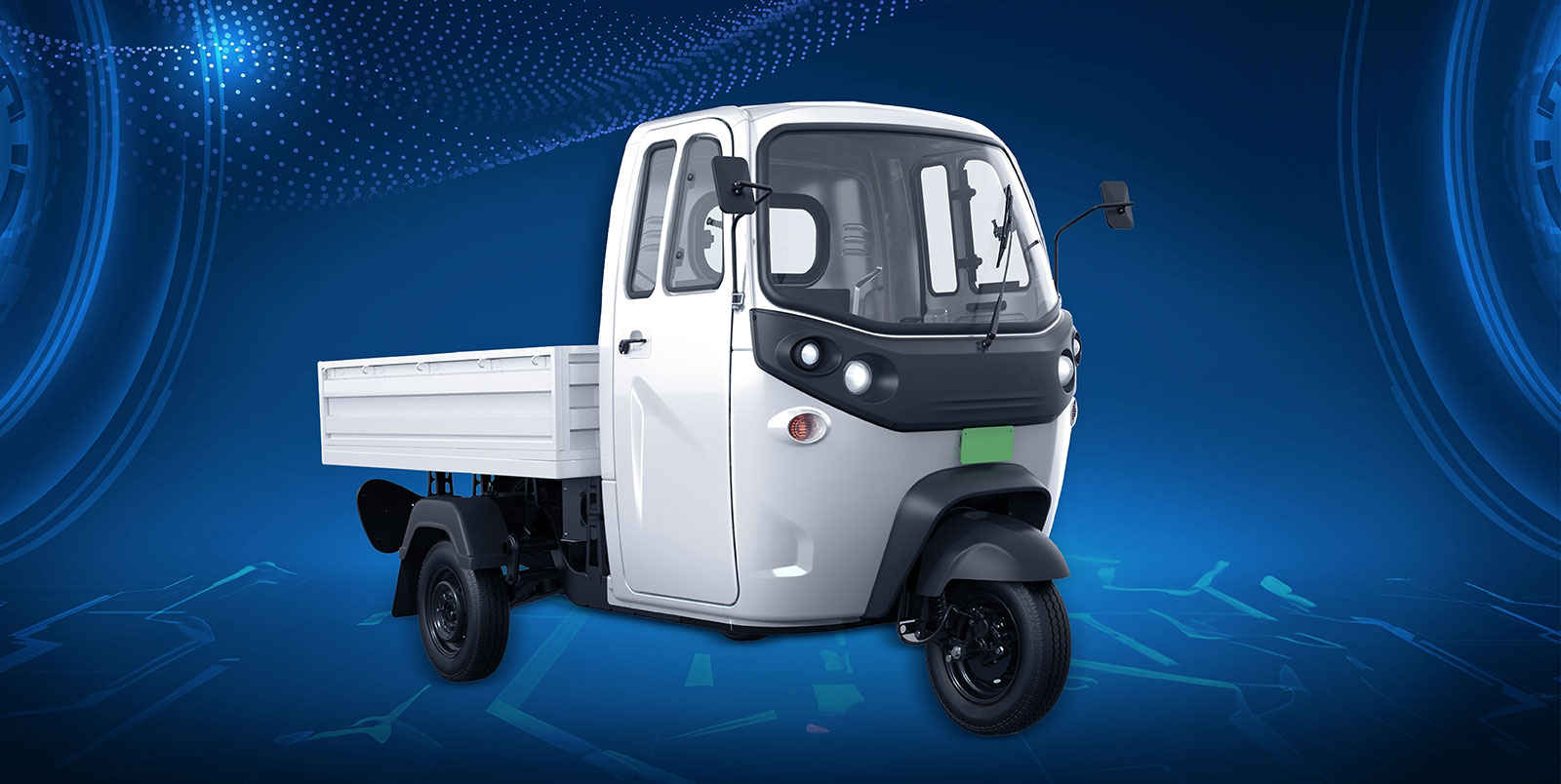
The quest for sustainable, cost-effective, and efficient transportation is reshaping urban and semi-urban landscapes across India. At the forefront of this transformation stands the humble yet impactful e-cart and e-rickshaw. Despite its simplicity, the e-rickshaw profoundly influences urban mobility, environmental sustainability, and the livelihoods of countless individuals.
With soaring fuel prices, relentless traffic congestion, and mounting climate change concerns, commuters and small business owners are seeking smarter transportation alternatives. Electric vehicles (EVs), particularly e-carts, are not merely a passing trend but a pivotal force revolutionizing the transportation sector.
The Promise of Electric Mobility
India is home to some of the fastest-growing cities globally, and the surge in urban population intensifies pressure on public transport systems, roads, and air quality. Conventional fuel-powered vehicles, while ubiquitous, are expensive to operate and major contributors to pollution.
Electric mobility offers a transformative solution. Quiet, clean, and cost-efficient, EVs align with government initiatives like the FAME India Scheme, which incentivizes the adoption of electric vehicles and bolsters the nation’s EV infrastructure. E-rickshaws, in particular, are ideal for short, local trips—whether it’s commuting, school runs, or errands. They play a crucial role in reducing emissions while addressing urban transportation challenges.
Why E-carts Are Perfect for Indian Roads
India’s unique transportation network, characterized by short trips through dense urban lanes and narrow streets, makes e-rickshaws an ideal fit. They also thrive in rural areas, thanks to several compelling advantages:
- Low Operating Costs: E-carts run on inexpensive electricity, making them highly economical. Their affordability allows many first-time vehicle owners to become drivers and earn a living.
- Minimal Maintenance: With fewer mechanical parts, e-carts experience fewer breakdowns and require less frequent servicing.
- Simple Operation: Most e-cart models eliminate the need for a clutch, enabling untrained users to drive them effortlessly.
- Compact Design: Their small size allows them to navigate traffic efficiently and access congested areas that larger vehicles cannot reach.
A Sustainable Boost to Livelihoods
One of the most remarkable aspects of the e-cart revolution is its dual impact: reducing environmental pollution while supporting local economies. Many e-rickshaw drivers are self-employed, relying on their vehicles as their primary income source. Affordable pricing and financial assistance make EV ownership accessible to startups and small businesses.
This surge in demand for e-carts has sparked growth in related industries, including manufacturing, battery production, driver training, and maintenance services. Consequently, job opportunities have multiplied, particularly in Tier II and Tier III cities, fostering economic development.
Transforming Last-Mile Delivery
The rise of e-commerce in India has amplified the need for efficient last-mile delivery solutions. E-carts have emerged as a popular choice for logistics firms and businesses due to their low operational costs and ability to maneuver through traffic. Their suitability for small-scale deliveries has made them indispensable in the burgeoning delivery sector.
Environmentally conscious companies are increasingly adopting e-carts to reduce delivery times, cut costs, and minimize carbon footprints, setting a precedent for sustainable business practices.
Technology Steering the Way Forward
Modern e-carts are far more advanced than their early counterparts. Features like digital dashboards, GPS navigation, phone charging ports, and solar panel roofs enhance driver comfort, safety, and efficiency.
Battery technology is also evolving. While lead-acid batteries remain prevalent, lithium-ion batteries are gaining traction due to their faster charging capabilities, extended range, and eco-friendliness. These innovations are paving the way for a future where electric mobility becomes even more accessible and impactful.
Conclusion
E-carts are quietly driving change in India’s transportation landscape. They offer practical solutions to pressing issues such as pollution, congestion, and high fuel costs.
As the demand for greener transportation grows, e-rickshaws will continue to lead the charge toward smarter, more sustainable cities. For those contemplating a shift—whether in lifestyle or business operations—there’s no better time to embrace this electrifying change.


More Stories
Rev Your Journey: The Ultimate Guide to Flexible and Affordable Car Rentals
Dream Wheels: Unlock Adventures with Our Flexible Car Rentals
Drive, Discover, Repeat: The Art of Renting Cars for Unforgettable Adventures